The Value of Craft: How Much Should a Premium Leather Jacket Cost in 2026?
The Mathematics of Luxury
A high-quality leather jacket is perhaps the only garment where price is a direct indicator of safety, longevity, and ethics. Yet, the market is flooded with extremes—from $99 "bargains" in fast-fashion malls to $5,000 designer pieces on the runways of Paris. Where does the truth lie? At IndiFash, we believe in radical transparency. In this guide, we break down the literal "cradle-to-closet" costs of a jacket to help you understand where your money is going.
The Four Pillars of Leather Cost
1. The Raw Material: Hide Grading ($80 - $250)
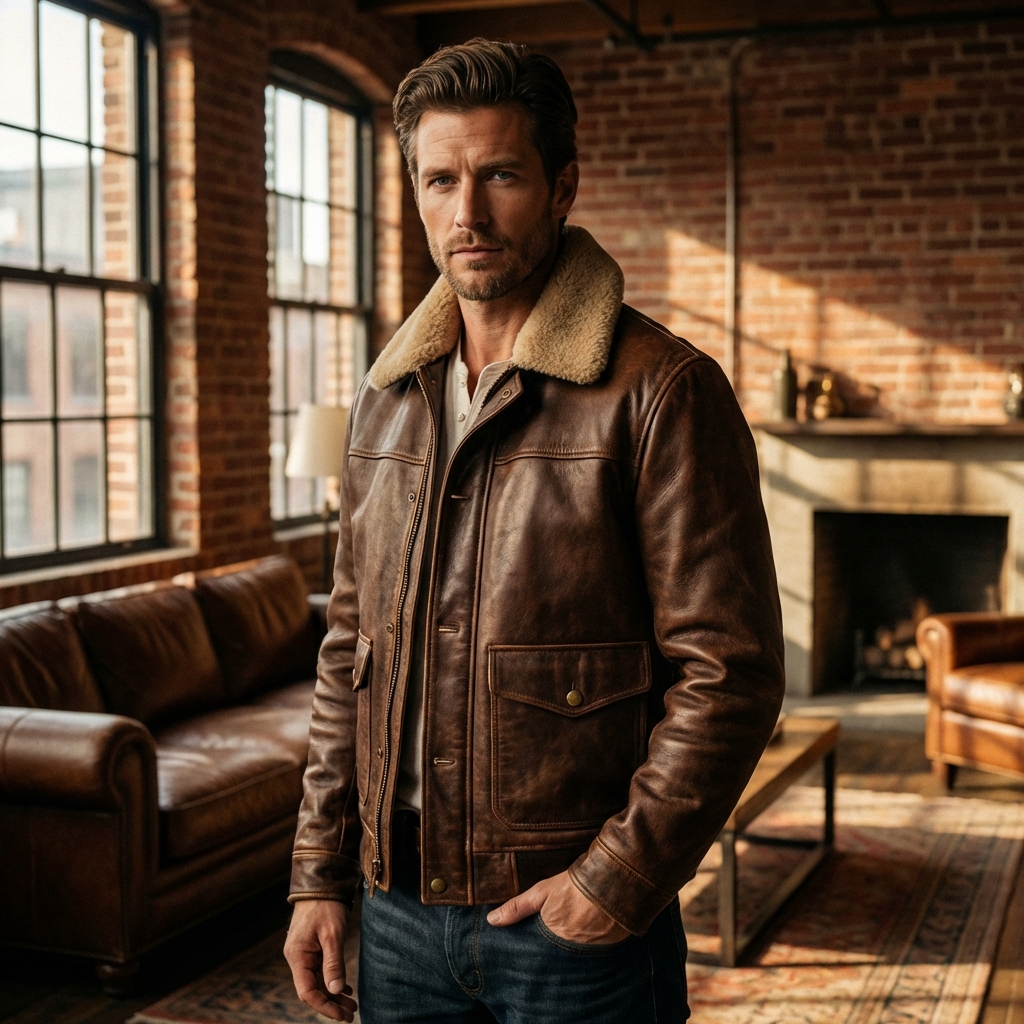
The hide itself is 40% of the cost. A mass-market "Genuine Leather" jacket uses "split leather"—the bottom layer of the hide that has been painted to look real. This costs pennies. A Full-Grain Calfskin or Buffalo Hide from a sustainable tannery is an expensive commodity. You are paying for a flawless piece of nature. At IndiFash, we reject 70% of the hides we inspect to find the top 5% that meet our standards.
2. The Tanning Process: Slow vs. Fast ($30 - $100)
Cheap jackets are "Chrome Tanned" in massive vats using aggressive chemicals in under 24 hours. Premium jackets utilize Vegetable Tanning or Chrome-Free artisanal processes that take up to 8 weeks. This slower process preserves the fiber's integrity and gives the leather its signature "luxury" aroma.
3. Artisanal Labor vs. Assembly Line ($50 - $200)
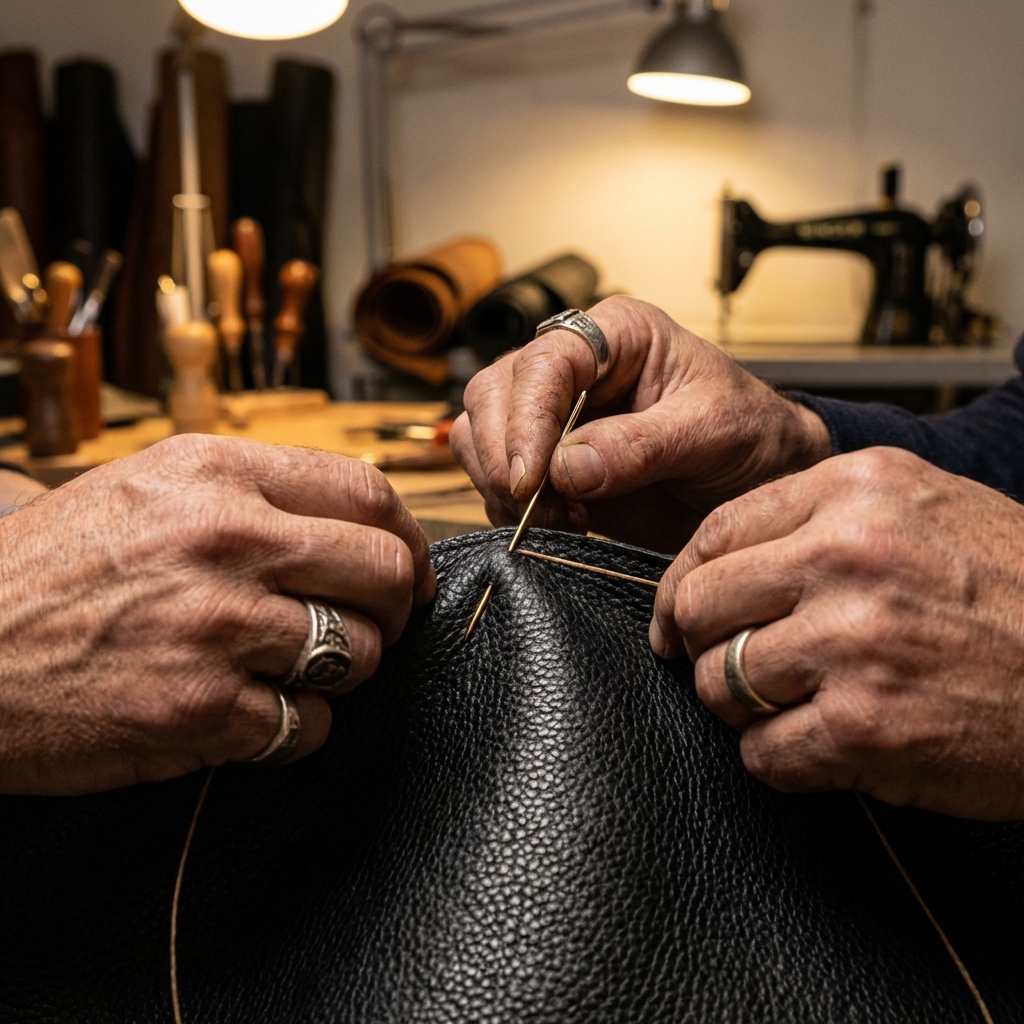
A mall jacket is made in a "high-output" factory where one person sews a single seam 1,000 times a day. An IndiFash jacket is crafted in a small-batch atelier. A single artisan often handles the entire assembly, ensuring that the tension of every stitch is consistent. Leather is unforgiving; one misplaced needle hole ruins the entire panel. You are paying for that risk and that skill.
4. The Hardware: Zippers and Linings ($20 - $60)
Cheap zippers are made of zinc and break within a year. We use Japanese YKK Excella or Italian Riri zippers—the finest in the world. Our linings aren't sweaty polyester; they are breathable viscose or heavy-duty cotton twill.
The 2026 Price Tier Analysis
| Price Range | What You Actually Get | Lifespan |
|---|---|---|
| $100 - $250 | Corrected grain, plastic coating, low-tier lamb | 1-3 Years |
| $350 - $700 | The IndiFash Sweet Spot: Full-Grain, Artisanal, Premium Hardware | 20-50 Years |
| $1500 - $5000 | Designer markup, Runway pedigree, Exotic hides | Lifetime |
Why IndiFash is a 'Disruptive' Value
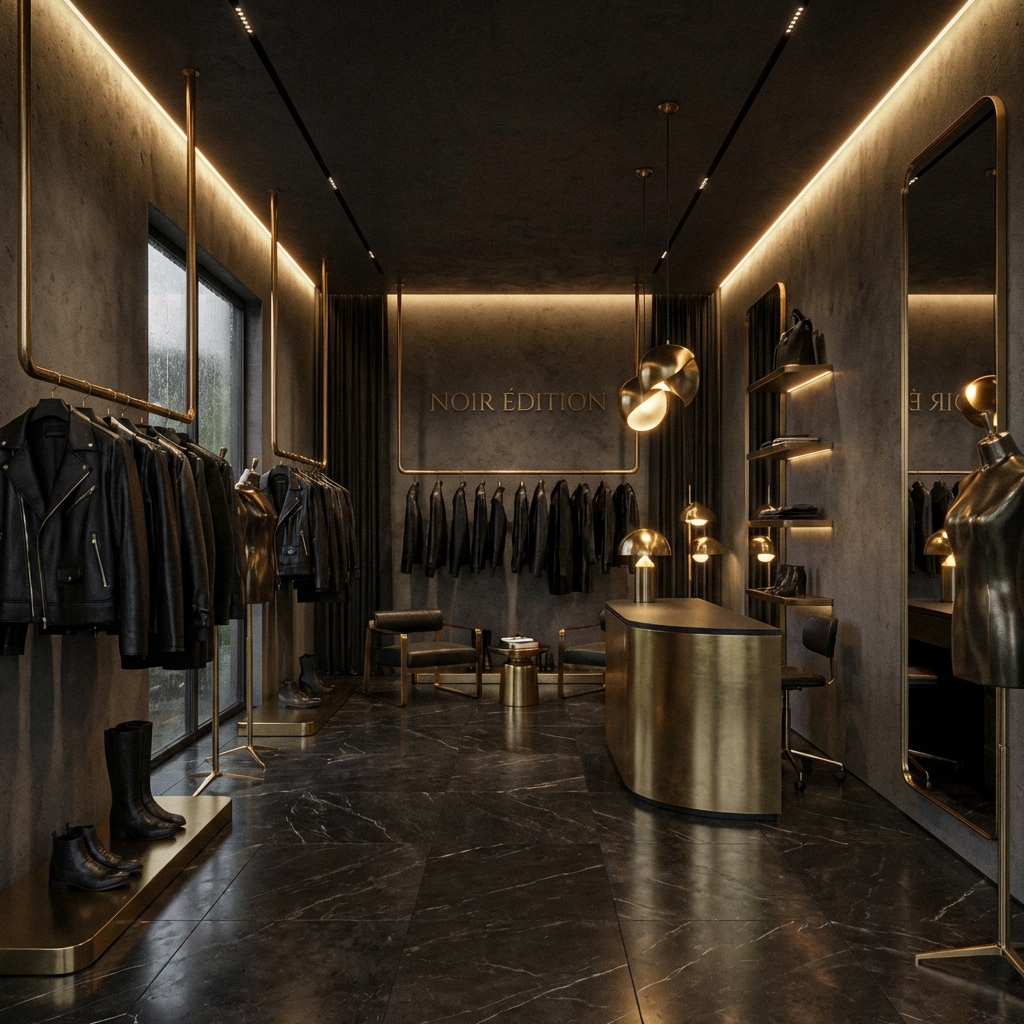
If you saw an IndiFash jacket in a luxury department store in London or New York, the price tag would be $1,200. By selling Direct-to-Consumer and bypassing the "Retail Markup" (where stores take 50-70% of the price), we can deliver $1,200 quality for $450. You aren't paying for a landlord's rent; you are paying for the leather and the artisan.
Conclusion: Look at the 'Cost Per Wear'
A $450 jacket worn 100 times a year for 10 years costs just 45 cents per wear. A cheap $150 jacket that you throw away after 18 months costs nearly $1 per wear. Quality is the ultimate thrift.
Invest in your future. Browse our Premium Value Collection.