

First Aid for Leather: How to Fix Scratches and Scuffs
First Aid for Leather: How to Fix Scratches and Scuffs
A scratch on a synthetic plastic jacket is a fatal defect. On authentic full-grain, vegetable-tanned leather, a surface scratch is merely displaced wax and oil waiting to be re-blended into the fiber network.
Full-grain leather is naturally self-healing. In this emergency guide, our restoration specialists walk through exact step-by-step techniques for resolving superficial fingernail scuffs, deeper pet claw scratches, and dry edge abrasions.
1. Light Surface Scratches: The Friction Healing Method
Superficial scratches only disrupt the surface wax finish without cutting collagen fibers. To heal them:
- Clean the scratch with a dry microfiber cloth to remove dust.
- Place the pad of your thumb firmly over the scratch.
- Rub rapidly in circular motions for 30 to 45 seconds. The kinetic heat generated liquefies the natural waxes in the hide, and natural skin lipids blend the color back together.
- Buff with a horsehair brush to raise a clean satin finish.
2. Deeper Scratches: The Conditioning Recolor Protocol
For deeper scratches where the lighter under-hide is exposed:
- Dab a tiny amount of natural lanolin-beeswax conditioner onto the scratch using a cotton swab.
- Allow the conditioner to saturate the open fibers for 15 minutes. The oils darken the exposed fibers to match the surrounding leather.
- Wrap a clean cotton cloth around your index finger and buff the scratch along its direction until the groove blends into the grain.
Frequently Asked Questions & Expert Guidance
Q: Can cat scratches on leather jackets be repaired?
A: Yes. If fibers are pulled upward, trim loose frays with micro-scissors. Apply a dab of leather binder or deep conditioner, smooth the fibers flat, and buff with a horsehair brush.
Q: Does shoe polish fix scratches on a leather jacket?
A: Never use shoe polish on apparel. Shoe polish contains hard carnauba waxes and staining pigments that rub off onto clothing and car seats. Always use dedicated garment leather balms.
Q: How do you fix scratches on pull-up leather?
A: Pull-up leather is saturated with oils and hot waxes. Simply stretching the hide from behind or warming it with warm fingertips forces the internal oils back into the scratch, making it vanish instantly.
Q: What causes scratches to look white on dark leather?
A: Surface scratches displace light-reflecting waxes and expose dry internal collagen fibers. Applying a conditioning balm re-hydrates the fibers, returning them to their rich dark tone.
Q: Can deep gouges that cut into leather be filled?
A: Minor gouges can be blended with leather filler compound and color-matched pigment dye, but for heirloom garments, deep scars should be embraced as part of the jacket's authentic patina.
Q: Why does full-grain leather heal better than top-grain?
A: Full-grain retains open pores and natural internal oils that redistribute under pressure. Top-grain is sealed under a synthetic polyurethane paint layer; once scratched, the paint layer breaks permanently.
Q: How do you prevent scratches during everyday wear?
A: Maintain quarterly conditioning with natural beeswax balm. Well-lubricated collagen fibers flex and deflect abrasives that would otherwise catch and scratch dry hide.
Explore Handcrafted Leather Outerwear & Accessories
Every garment featured across our journal is meticulously hand-tailored from full-grain hides. Discover bespoke options, custom sizing, and heirloom leather goods crafted in our design studio.
Follow on Google
Add the IndiFash Journal to your preferred sources on Google News for curated updates.
IndiFash Care Team
Verified Leather Specialist
Sharing technical insights on leather fashion, care, bespoke tailoring, and lifestyle. Dedicated to quality craftsmanship and timeless style.
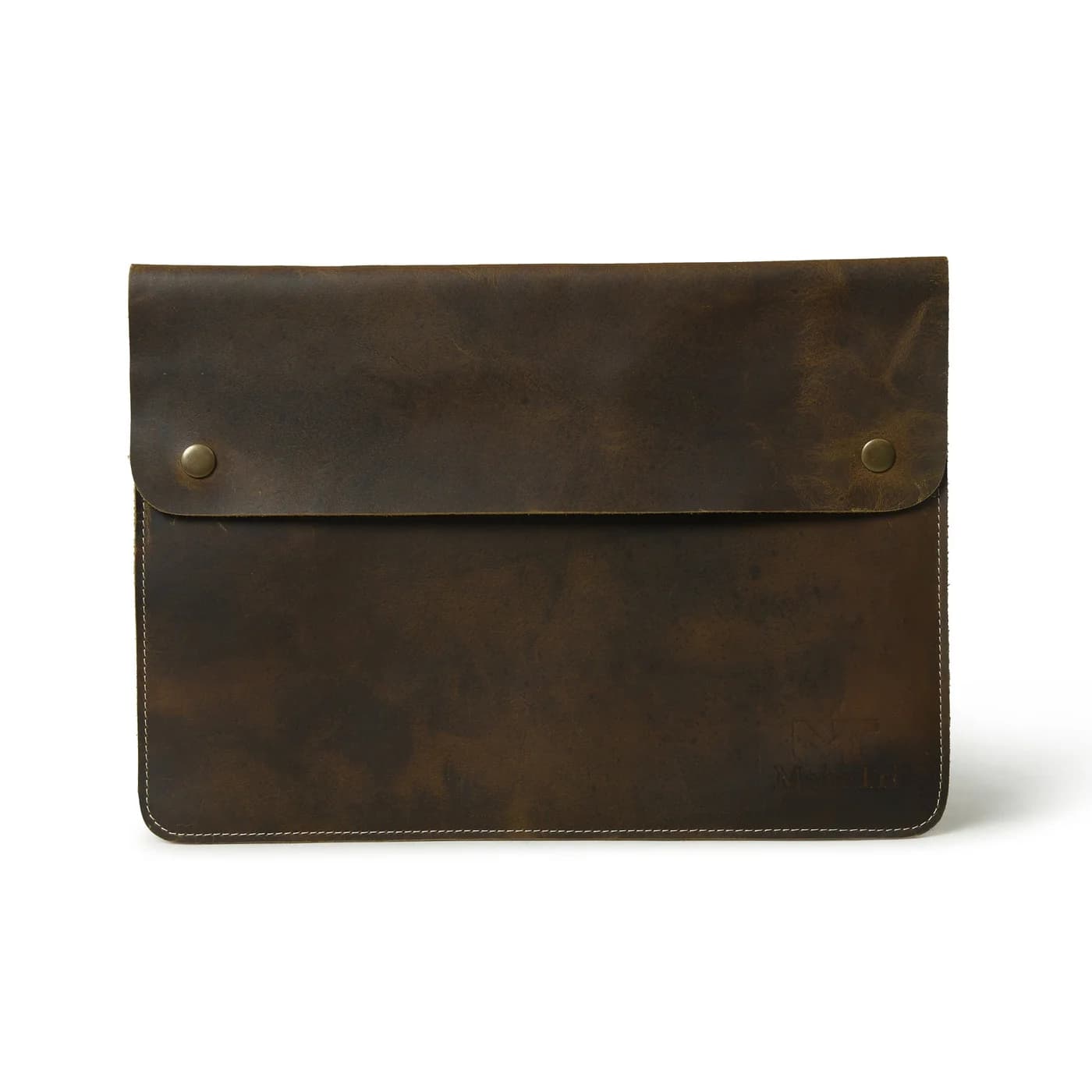
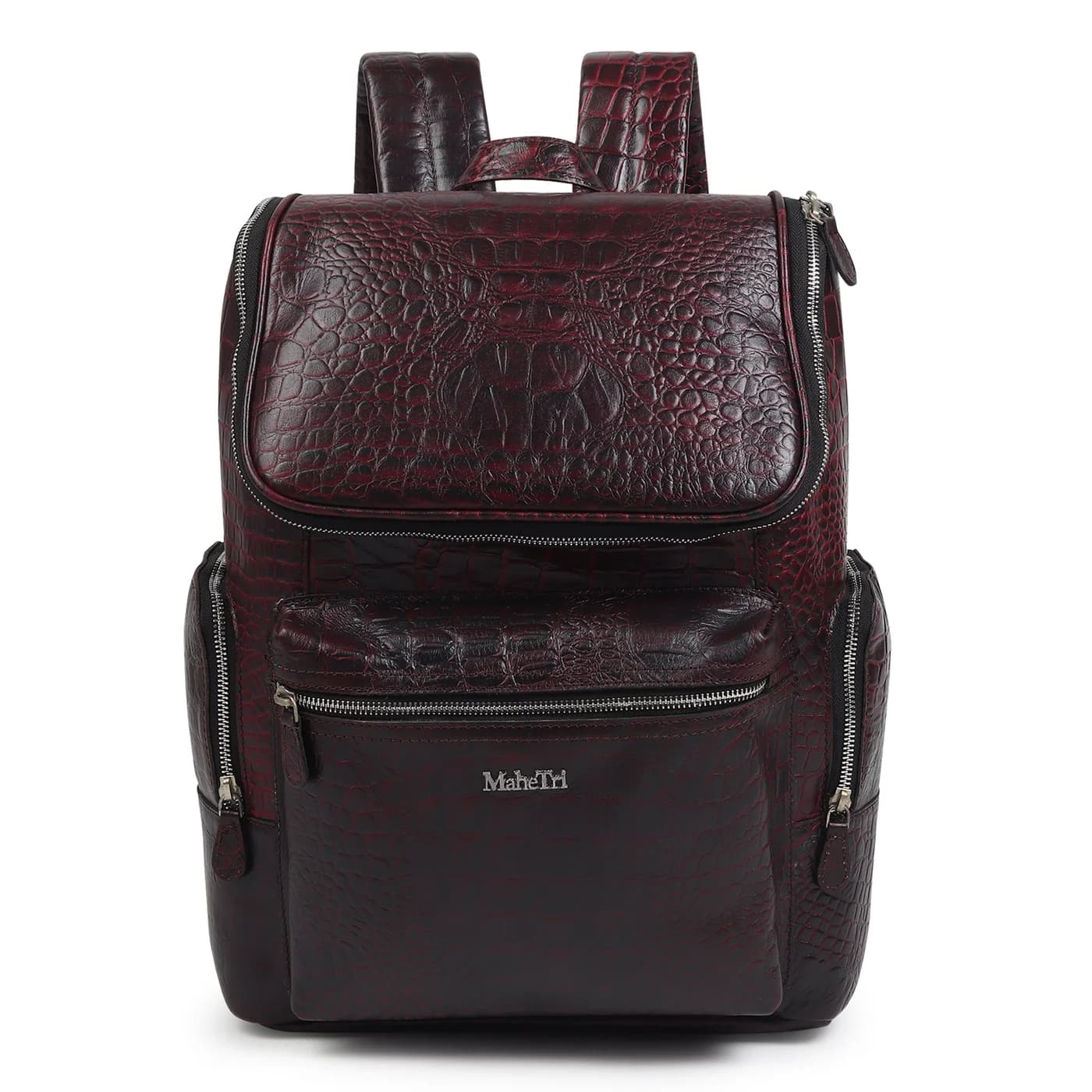
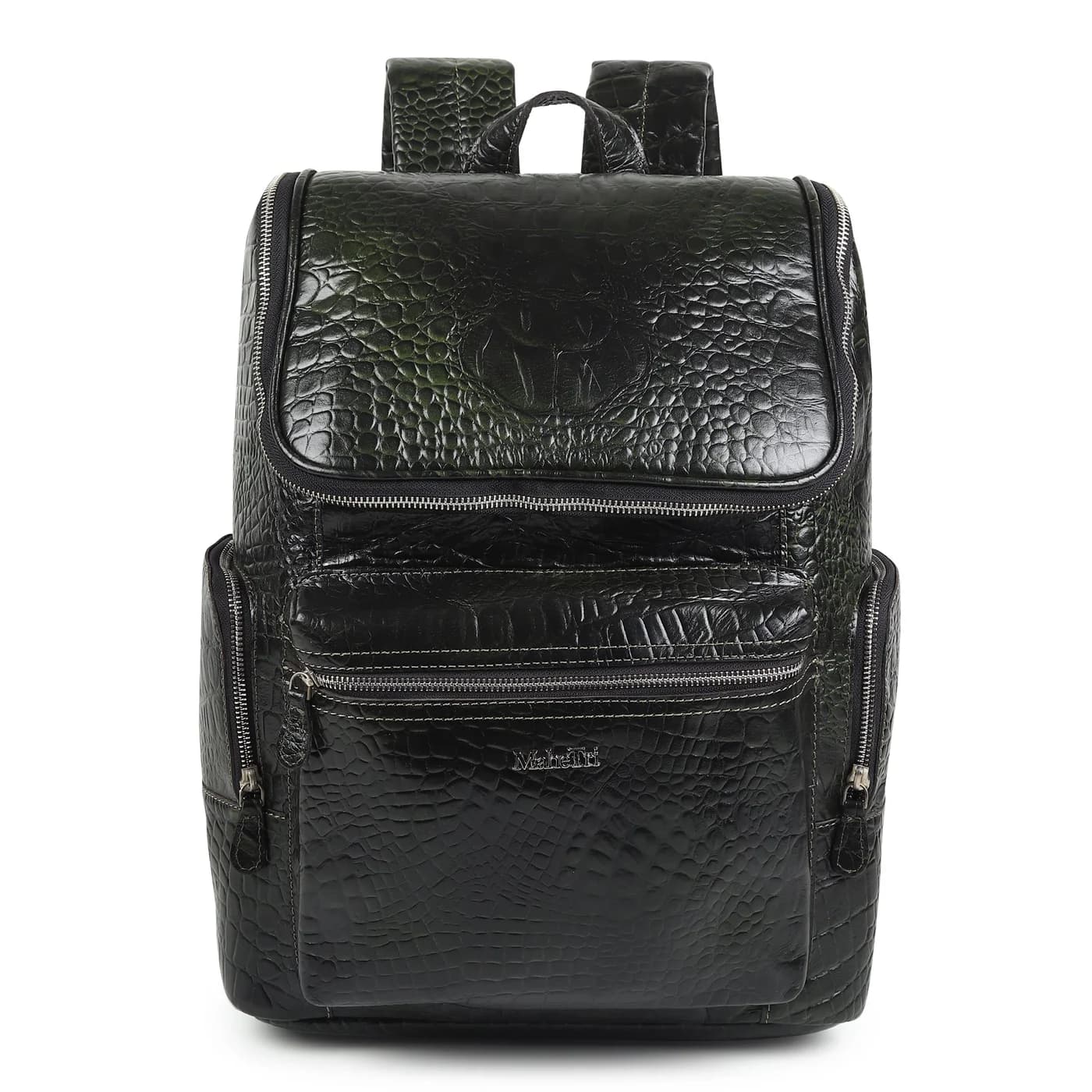
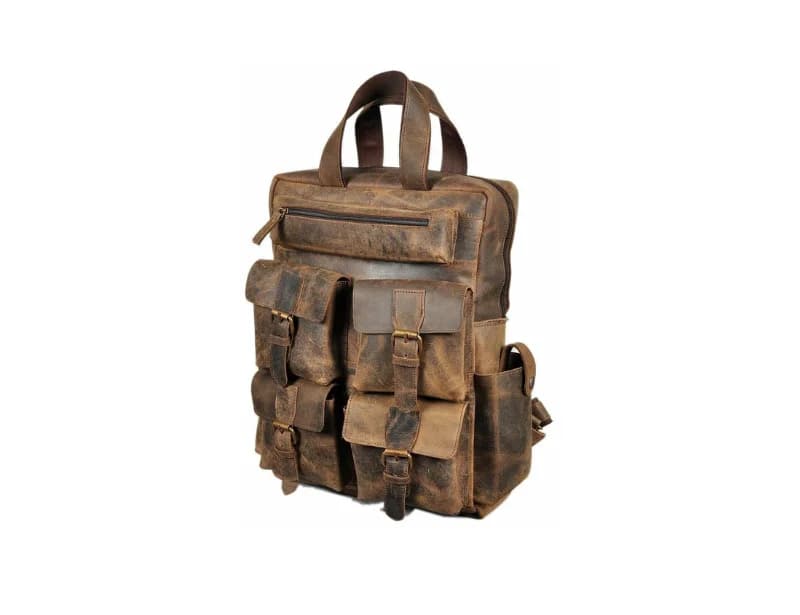
Featured Atelier Pieces
You Might Also Like

The Master Guide to Leather Care & Conditioning
Read ArticleBreath of Fresh Air: How to Remove Musty Odors from Leather
Read Article