
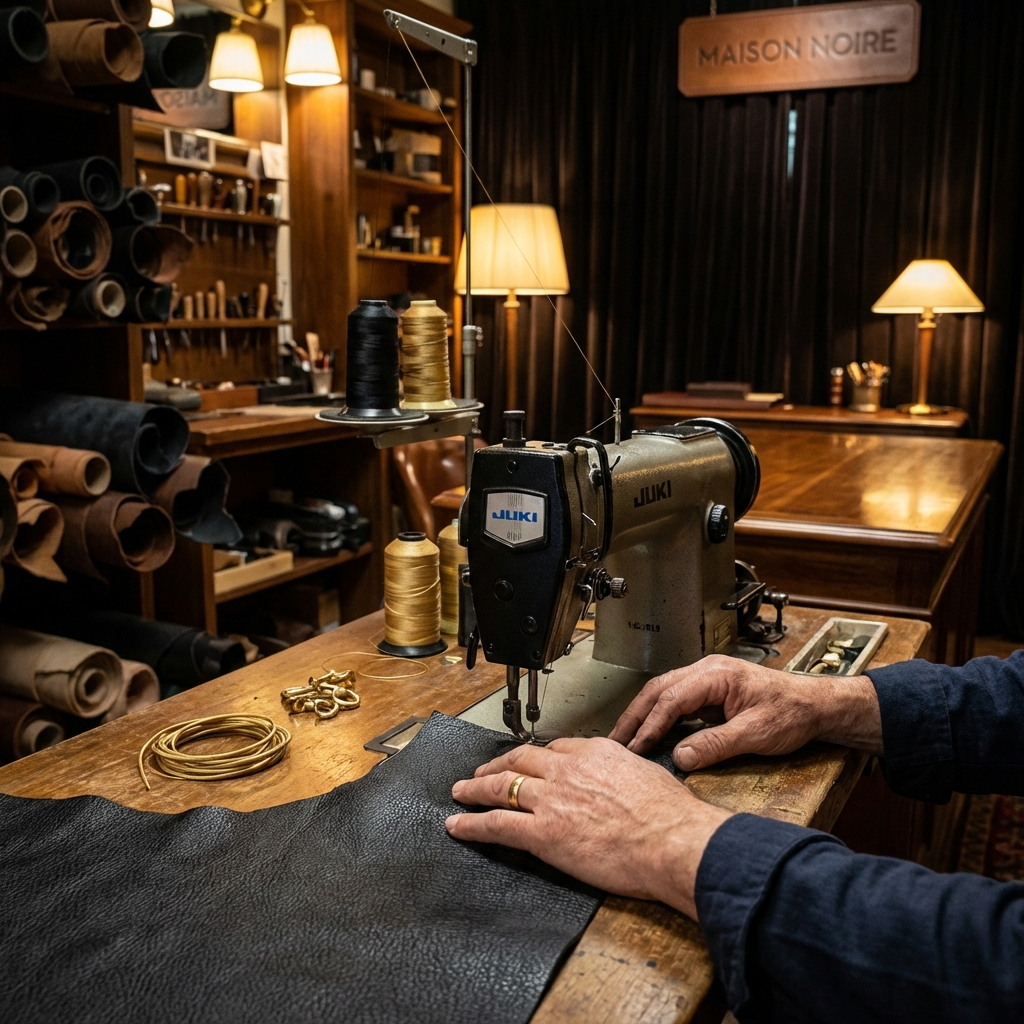
The Untold Story of India's Leather Heritage: World-Class Craftsmanship
A Legacy Etched in Time
When people think of luxury leather, their minds often drift to Italy or France. But for centuries, the world’s luxury brands have quietly turned to another source for their finest raw materials and intricate craftsmanship: India. India's relationship with leather is ancient, deep, and globally significant. Today, it stands as the second-largest producer of leather garments in the world, combining millennia-old artisanal skills with cutting-edge technology.
At IndiFash, we don't just sell leather; we represent a lineage. Here is the untold story of Indian leather heritage.
Ancient Roots
Leather has been part of Indian culture since the Indus Valley Civilization (3000 BCE). Ancient texts refer to mashak (leather water bags) and leather armor used in battles. The distinct tanning methods evolved over centuries using indigenous vegetable tannins like myriad, babool, and wattle bark. This wasn't just industry; it was community craft, passed down from father to son in villages across the subcontinent.
The Geographic Hubs of Excellence
Just like wine has terroir, leather has regional specialties in India.
1. Kanpur: The Leather City
Located on the banks of the Ganges, Kanpur is legendary. Established as a major hub by the British East India Company for cavalry saddles and boots, it remains the heart of heavy-duty leather. If you have a rugged buffalo leather jacket that seems indestructible, it likely traces its roots here.
2. Chennai (Ambur & Ranipet): The Fine Finish
The southern cluster in Tamil Nadu is world-renowned for its fine sheep and goat skins (cabretta). The water and soil composition here, combined with specialized tanning skills, produce leather that is incredibly soft and supple—perfect for high-end fashion gloves and jackets.
3. Kolkata: The Artistic Touch
West Bengal is famous for "Shantiniketan" leather goods—a style of embossed, hand-painted leather that is a registered Geographical Indication (GI). It represents the artistic soul of Indian leatherwork.
4. Agra: The Footwear Capital
Known for the Taj Mahal, Agra is also the shoe capital of Asia. The intricate stitching and lasting skills found here are unmatched.
The Modern Renaissance
For a long time, India exported raw hides or semi-finished leather to Europe, where it was finished and stamped "Made in Italy." But the tide has turned. A new generation of Indian designers and manufacturers is reclaiming the value chain.
Technology Meets Tradition: Indian tanneries are now state-of-the-art, adhering to strict environmental norms (Zero Liquid Discharge plants are becoming standard). Yet, the assembly still relies on the human hand. The "human touch" in stitching a jacket collar or setting a sleeve is something robots still cannot replicate perfectly.
Why Indian Leather?
- Quality of Raw Material: India has the largest livestock population in the world. The variety of hides—from sturdy buffalo to fine goat and sheep—is unmatched.
- Vegetable Tanning Expertise: India is a leader in eco-friendly vegetable tanning ("East India Leather" is a historic trade term for this high-quality veg-tan).
- Value: By sourcing directly from India (like we do at IndiFash), you cut out the middlemen. You get Italian-grade quality without the branding markup.
IndiFash: Proudly Made in India
We supply strictly from ethical tanneries in these heritage hubs. Our artisans are paid fair wages to keep their traditional skills alive. Every jacket is a testament to:
- Patience: Leather that isn't rushed through chemical drums.
- Precision: Hand-cut patterns.
- Pride: The belief that "Made in India" is a badge of global excellence.
When you wear an IndiFash jacket, you carry a piece of history—crafted by hands that have known leather for generations.