The Ultimate Guide to Caring for Your Leather Jacket: Preserving a Legacy
Preserving the Legacy of Your Leather
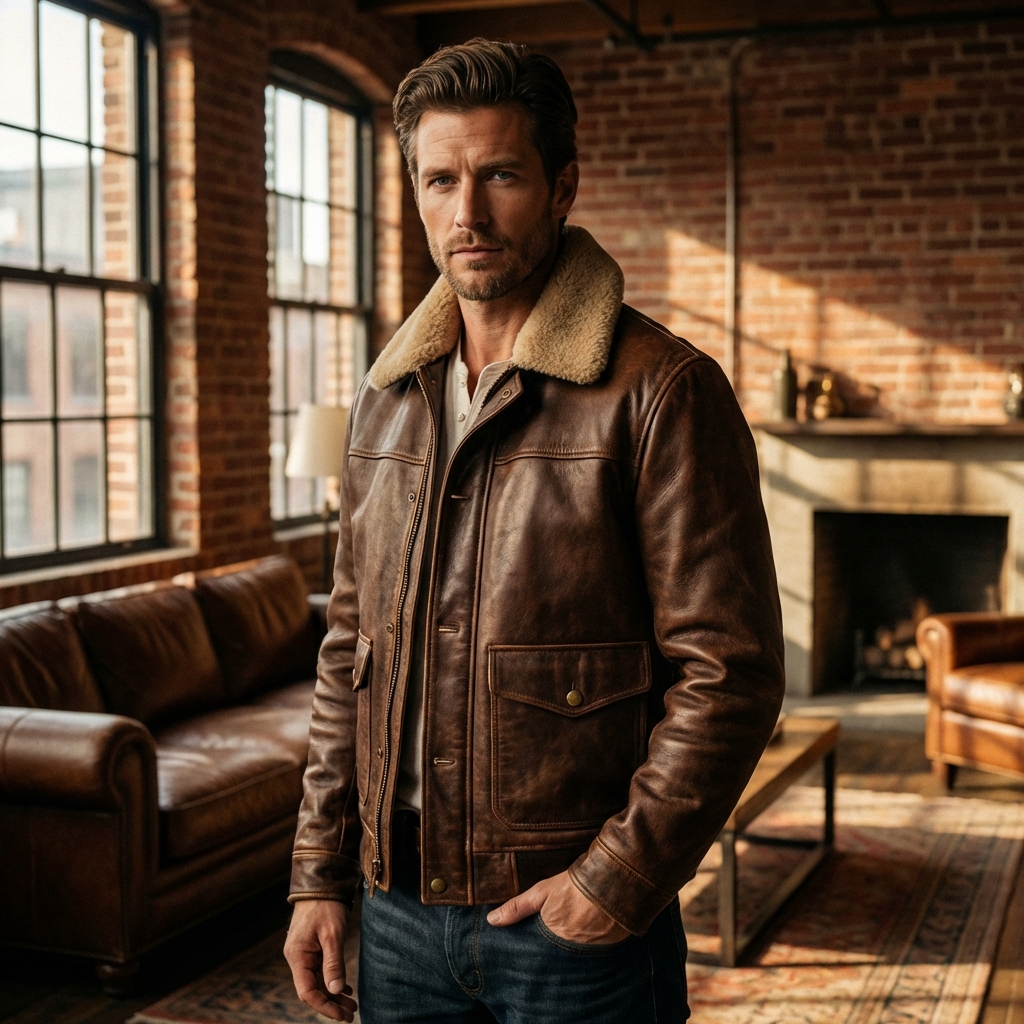
A high-quality leather jacket is not just a garment; it is an investment in style, durability, and personal history. Unlike synthetic materials that degrade over time, genuine leather breathes, changes, and ages with you, developing a unique patina that tells your story. However, to ensure it lasts a lifetime—and perhaps even becomes an heirloom—it requires proper care and attention.
In this comprehensive guide, we will delve deep into the art of leather maintenance, covering everything from daily care routines to emergency stain removal. Whether you own a rugged biker jacket or a sleek racer, these principles will ensure your leather remains as striking as the day you bought it.
1. Understanding Leather: More Than Material
Before diving into care, it's crucial to understand what you're caring for. Leather is a natural skin, and like your own skin, it requires hydration and protection. It is porous, meaning it can absorb water, oils, and odors. This absorbency is what allows it to breathe and conform to your body, but it also makes it susceptible to damage if neglected.
2. The Golden Rules of Daily Care
Keep it Dry: Water is leather's frenemy. While a light drizzle won't ruin it, soaking wet leather can stiffen and crack as it dries. If you get caught in the rain, wipe off excess water immediately and let it air dry naturally.
Avoid Heat: Never, ever use a hair dryer or place your jacket near a radiator to dry it. Direct heat sucks the natural moisture out of the leather, leading to brittleness and cracking.
Breathe: Leather needs airflow. Never store your jacket in a plastic garment bag. Use a breathable cloth bag or simply hang it in a cool, dry closet.
3. The Cleaning Routine
Dust and dirt are abrasive. Over time, they can settle into the creases of your jacket and act like sandpaper, wearing down the finish.
Regular Wiping: Once a week, take a soft, dry cloth or a slightly damp microfiber cloth and gently wipe down the surface of your jacket. accurate removal of surface dust prevents it from embedding into the pores.
Spot Cleaning: For minor spots, use a specialized leather cleaner. Test it on an inconspicuous area first (like the inside of a cuff). Apply a small amount to a cloth, not directly to the leather, and gently dab—don't rub.
4. Conditioning: The Fountain of Youth
Conditioning is the most critical step in leather care. Over time, the natural oils in the leather evaporate. Conditioning replenishes these oils, keeping the fibers flexible and preventing cracks.
Frequency: Condition your jacket every 3 to 6 months, depending on how often you wear it and the climate you live in. Dry climates require more frequent conditioning.
The Process:
- Clean the jacket first to remove surface dirt.
- Apply a high-quality leather conditioner (we recommend natural beeswax or lanolin-based products) to a soft cloth.
- Massage it into the leather in circular motions, ensuring even coverage.
- Pay extra attention to high-friction areas like elbows and cuffs.
- Let it absorb for at least 15 minutes (or overnight for dry leather).
- Buff off any excess with a clean dry cloth.
5. Proper Storage: The Off-Season Strategy
When the warmer months arrive, proper storage is vital.
The Hanger Matters: Wire hangers are the enemy. They are too thin and will distort the shoulders of your jacket over time. Invest in a wide, padded, or wooden hanger that supports the shoulder structure.
Environment: Store your jacket in a climate-controlled environment. Attics and basements can vary wildly in temperature and humidity, which can promote mold growth or dry out the leather.
6. Handling Stains and Odors
Ink Stains: These are notorious. Professional cleaning is usually the safest bet. DIY remedies like alcohol can strip the dye.
Oil/Grease: Blot, don't rub. Sprinkle specialized leather degreaser powder or cornstarch on the spot and let it sit overnight to absorb the oil. Brush it off gently the next day.
Odors: If your jacket smells of smoke or food, do not spray perfume on it. Air it out in a shaded, breezy spot. For persistent odors, professional ozone treatment is effective.
7. When to Call a Professional
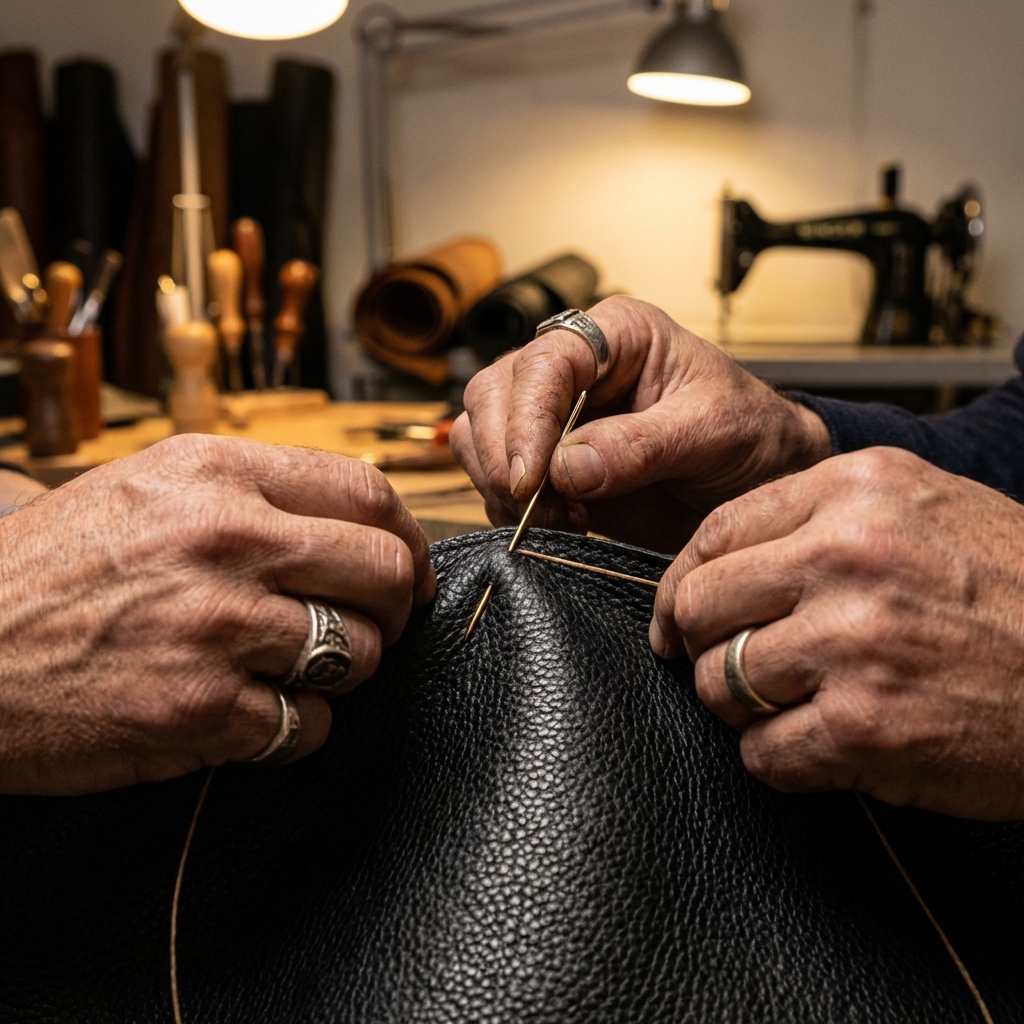
While DIY care covers 90% of maintenance, some things are best left to experts. Deep scratches, tear repairs, color restoration, and lining replacement require the tools and skills of a professional leather specialist. Consider an annual "spa day" for your jacket where a pro cleans and conditions it.
Conclusion
Caring for a leather jacket is a ritual that rewards you with years of style. A well-maintained jacket doesn't just look good; it feels like armor and wears like a second skin. Treat it with respect, and it will serve you for a lifetime.