
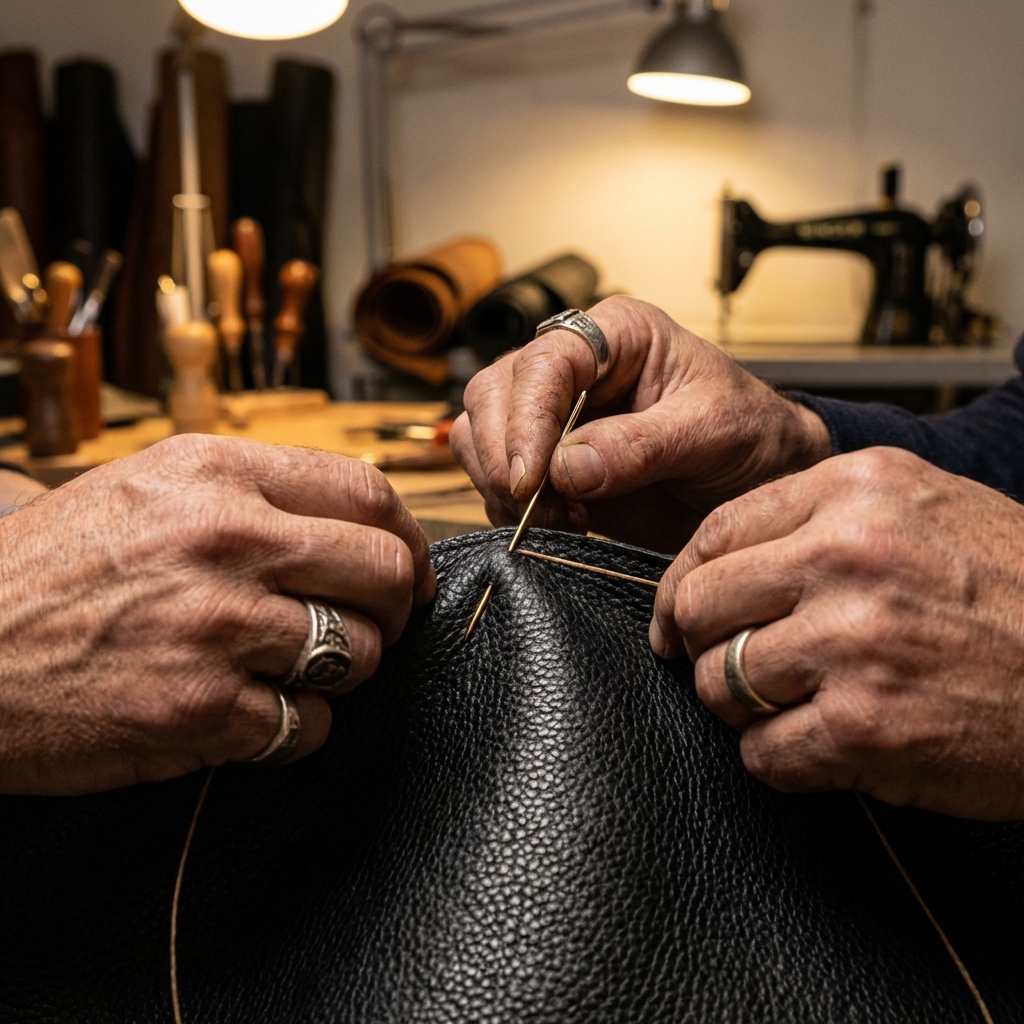
Sustainable & Ethical Leather: Navigating the Green Revolution
Can Leather Ever Be Green?
It’s the elephant in the room. In an age of climate anxiety, is wearing leather ethical? The answer is complex, nuanced, and often surprising. While traditional leather production has a significant environmental footprint, the rise of "slow fashion" and innovative production methods is changing the narrative. Let's explore how leather fits into a sustainable future and how you can make conscious choices.
The Environmental Impact: The Bad News
We believe in transparency. Traditional leather manufacturing faces three main challenges:
- Cattle Farming: Livestock farming is resource-intensive, requiring vast amounts of land and water, and contributing to methane emissions.
- Tanning Toxicity: Chrome tanning (used for 80-90% of global leather) uses chromium salts. If not managed strictly, this can pollute waterways and harm workers.
- Waste: Not all parts of the hide are used, leading to potential solid waste.
The Sustainability Argument: The Good News
Despite these challenges, genuine leather has powerful eco-credentials when sourced responsibly:
- Byproduct Efficiency: Almost all leather is a byproduct of the meat industry. If these hides weren't turned into leather, they would rot in landfills, releasing greenhouse gases. We are using what would otherwise be waste.
- Durability (The Anti-Fast Fashion): The most sustainable garment is the one you already own. A synthetic jacket might last 2 years; a good leather jacket lasts 20+. This drastically reduces consumption and manufacturing demand.
- Biodegradability: Unlike polyester or "vegan" PU leather (which are plastics that linger for centuries), genuine leather is natural and will eventually biodegrade.
- Microplastics: Synthetic clothing sheds millions of microplastics into the ocean with every wash. Leather does not.
How to Shop for Ethical Leather
Not all leather is created equal. Here is your checklist for ethical shopping:
1. Look for Vegetable Tanned Leather
What is it? An ancient method using tannins from tree bark, roots, and leaves instead of chemicals.
Why it's better: It is biodegradable, chemical-free, and creates a unique patina. It takes much longer (weeks vs. days for chrome), making it more expensive but environmentally superior.
2. Check for LWG Certification
The Leather Working Group (LWG) is the global standard for environmental compliance in tanneries. They audit water usage, chemical management, and energy consumption. Buying from LWG-rated tanneries (Gold, Silver, Bronze) ensures best practices.
3. Origin Matters (Traceability)
Know where your leather comes from. Countries with strict environmental laws (like Italy, and increasingly certified hubs in India) are safer bets than unregulated regions.
4. Upcycled and Recycled Leather
Deadstock: Using leftover leather from other productions.
Vintage: Buying second-hand is the most sustainable option of all. No new resources are used.
Bonded Leather: Made from leather scraps pressed together. It reduces waste, though it is less durable.
The Rise of Bio-Leathers (The Future)
Innovation is exploding in non-animal alternatives that aren't plastic:
- Mylo (Mushroom Leather): Grown from mycelium networks. It mimics leather's structure perfectly and is carbon-neutral.
- Piñatex (Pineapple Leaf Fiber): Made from agricultural waste.
- Desserto (Cactus Leather): A Mexican innovation that requires very little water to grow.
These are still scaling up but represent an exciting middle ground.
IndiFash's Pledge
We are committed to the slow fashion movement.
1. Made-to-Order: We hold minimal stock. Most of our jackets are cut only when you order. This eliminates overproduction and waste.
2. Responsible Sourcing: We partner with Indian tanneries that are modernizing their water treatment plants and moving towards non-toxic dyes.
3. Longevity Design: We don't chase micro-trends. We design classics that you will want to wear in 2035, not just 2025.
Conclusion
Sustainability is a journey. By choosing high-quality, ethically sourced leather and caring for it so it lasts a lifetime, you are rejecting the throwaway culture of fast fashion. That is a choice that looks good on everyone.