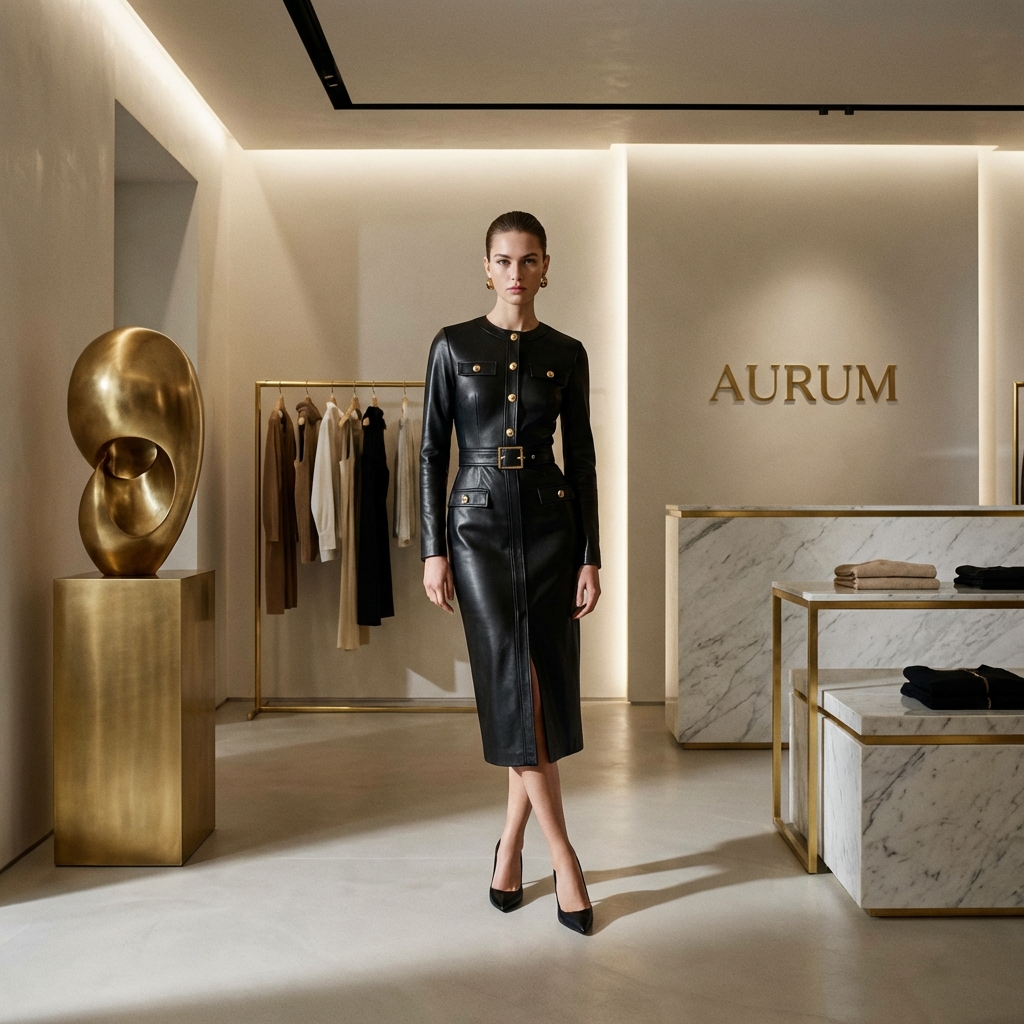

From Hide to Heirloom: The Leather Tanning Process Explained
From Hide to Heirloom: The Leather Tanning Process Explained
Raw animal hide is a perishable organic tissue that decomposes within days. Tanning is the ancient alchemical process of transforming raw protein collagen fibers into stable, rot-proof, and supple leather that endures for generations.
In this technical tour of the tannery, our master leather chemists deconstruct the four fundamental phases of traditional artisanal tanning.
1. Beamhouse Operations: Pre-Tanning Preparation
Before a hide can be tanned, all non-collagen components must be gently dissolved. Hides are soaked in clean water to restore hydration, treated in mild lime baths to loosen hair follicles, and de-fleshed to remove adipose tissue.
2. Vegetable Tanning: The 60-Day Pit Curing Ritual
Traditional vegetable tanning employs concentrated plant tannins derived from the bark of chestnut, mimosa, and quebracho trees. Hides are suspended in progressive tanning pits for 45 to 60 days. The organic polyphenols bind chemically with the collagen protein chains, displacing water molecules and stabilizing the fiber structure.
Frequently Asked Questions & Expert Guidance
Q: What is the main difference between vegetable tanning and chrome tanning?
A: Vegetable tanning uses natural tree bark tannins over 60 days, yielding firm, aromatic leather that develops rich patina. Chrome tanning uses chromium salts over 24 hours, producing soft, water-resistant leather with stable color.
Q: Why does vegetable-tanned leather cost more?
A: Vegetable tanning takes up to two months and demands skilled artisans and expensive natural bark extracts, compared to automated 24-hour chrome tanning cycles.
Q: Is leather tanning an environmental hazard?
A: Modern LWG-certified tanneries employ closed-loop water filtration, solar energy, and zero-discharge recycling systems to ensure non-toxic, sustainable production.
Q: What is fatliquoring in the tanning process?
A: Fatliquoring is the post-tanning process where natural oils and fats are introduced back into the wet hide to lubricate collagen fibers, ensuring the finished leather remains soft and pliable.
Q: What gives vegetable-tanned leather its distinctive smell?
A: The aromatic scent comes directly from the organic chestnut, oak, and mimosa tree barks used in the tanning baths.
Q: Are hides sourced as a byproduct of food production?
A: Yes. Over 99% of cattle, sheep, and goat hides used in luxury leather production are byproducts of the global livestock and dairy industries that would otherwise be sent to landfills.
Q: What is aniline leather?
A: Aniline leather is drum-dyed with transparent non-toxic dyes without any opaque pigment coats, allowing all natural grain characteristics and pores to remain visible.
Explore Handcrafted Leather Outerwear & Accessories
Every garment featured across our journal is meticulously hand-tailored from full-grain hides. Discover bespoke options, custom sizing, and heirloom leather goods crafted in our design studio.
Follow on Google
Add the IndiFash Journal to your preferred sources on Google News for curated updates.
IndiFash Heritage Guild
Verified Leather Specialist
Sharing technical insights on leather fashion, care, bespoke tailoring, and lifestyle. Dedicated to quality craftsmanship and timeless style.