The Patina Process: How and Why High-Quality Leather Ages
The Patina Process: How and Why High-Quality Leather Ages
In a commercial world engineered around planned obsolescence and synthetic materials that deteriorate with use, authentic full-grain leather stands apart as one of the few luxury mediums that actively improves with time.
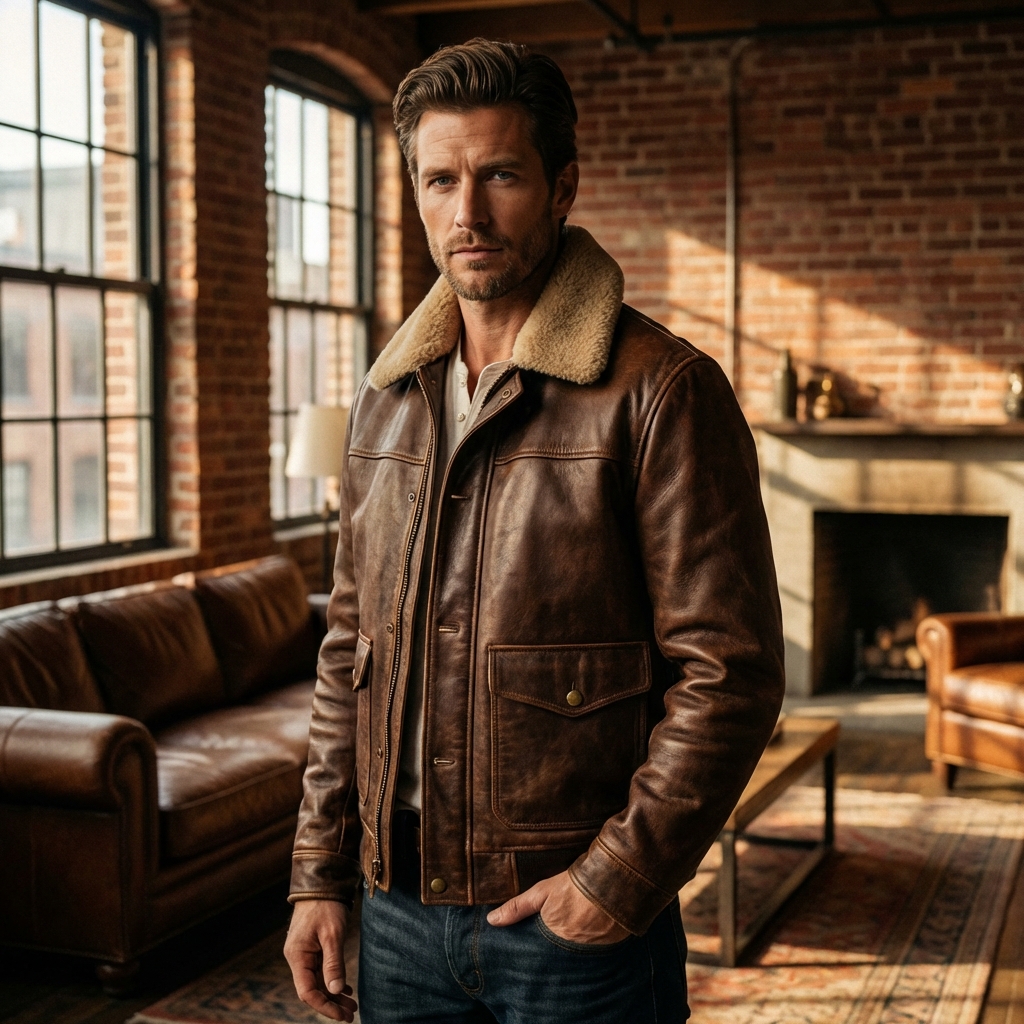
This golden evolution—the gradual darkening, deepening of tone, and development of a lustrous surface sheen—is known as patina. A true patina is not wear and tear; it is a molecular fingerprint of the owner's journeys, recording sunlight, rain, handling, and daily contact into the fiber matrix of the hide.
1. The Biochemistry of Patina: What Happens at the Fiber Level
Patina is driven by three continuous, intersecting natural reactions that occur exclusively in unsealed, open-pore full-grain hides:
- Photochemical Tannin Oxidation (UV Exposure): Just as sunlight tans human skin, ultraviolet rays interact with natural polyphenols (condensed tannins extracted from mimosa, chestnut, and quebracho tree barks) embedded in the hide. UV exposure oxidizes these tannins, deepening pale cream or tan leathers into rich, caramelized shades of honey, amber, and chestnut brown.
- Sebum and Lipid Absorption: Every time your hands touch a leather bag handle, wallet edge, or jacket lapel, microscopic quantities of natural skin oils (sebum) and ambient moisture are absorbed into the epidermal pores. These organic lipids penetrate the core fibers, darkening high-friction zones and creating depth.
- Mechanical Grain Burnishing: Daily handling, pocket friction, and garment flexing act as a continuous microscopic polishing process. Over months of wear, microscopic fiber peaks are compressed and polished smooth, producing a radiant, glassy satin sheen known as an heirloom luster.
Handcrafted Small Leather Goods & Wallets
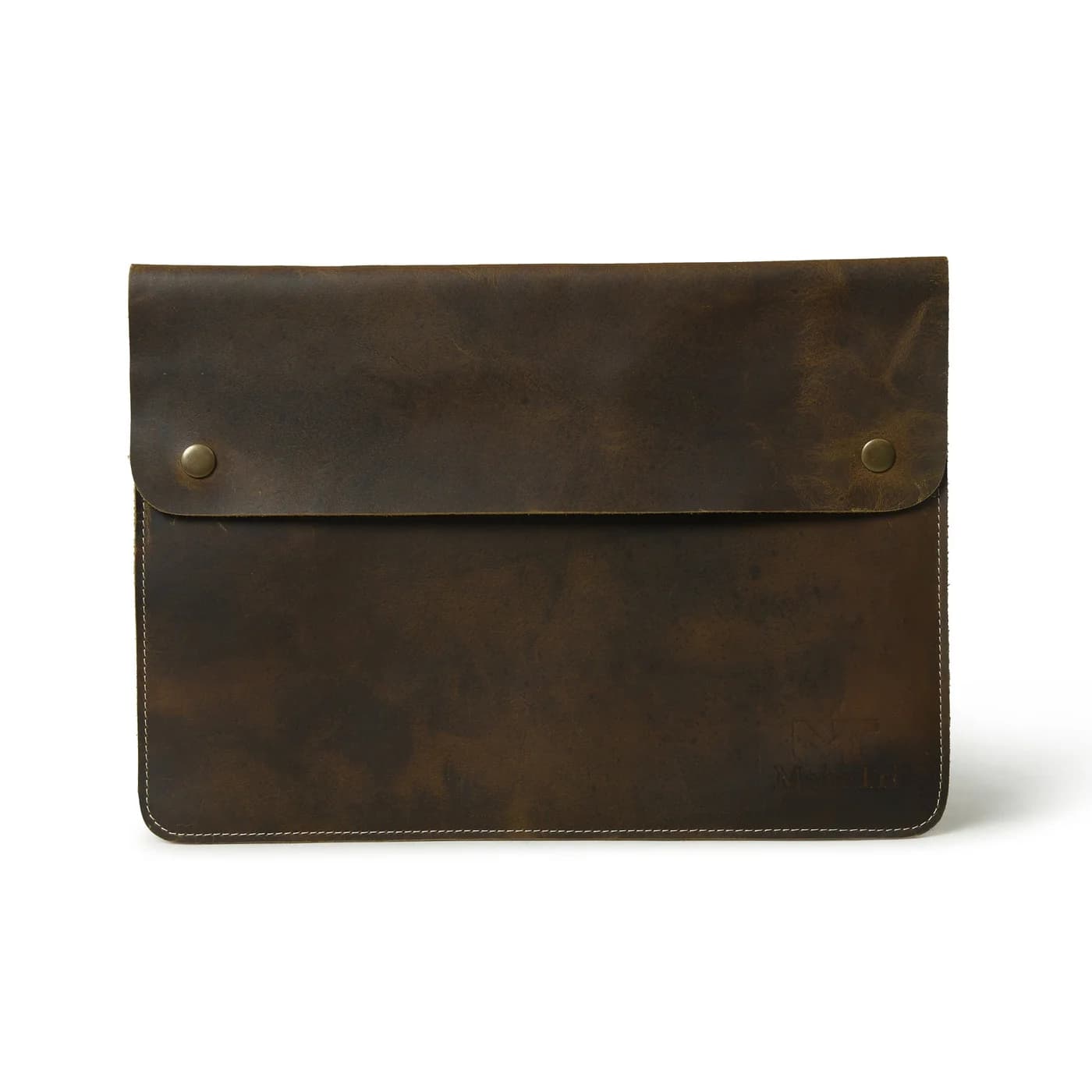
Engineered to live in your pocket for decades. Crafted from unsealed vegetable-tanned steerhide that transforms dramatically from pale natural tan into dark lustrous caramel within months of everyday carry.
2. Vegetable Tanning vs. Chrome Tanning: The Patina Divide
Not all leathers possess the ability to develop a patina. The chemical tanning process chosen by the tannery determines whether a hide evolves or remains static:
| Property | Vegetable-Tanned Full-Grain | Chrome-Tanned Leather | Corrected / Saffiano Leather |
|---|---|---|---|
| Tanning Agents | Tree barks, organic tannins, oak extracts | Chromium sulfate mineral salts | Synthetic resins & chemical pigments |
| Patina Potential | Maximum: Rapid, dramatic, multidimensional aging | Low / Slow: Softens, but color remains stable | Zero: Plastic coat seals pores; cracks over time |
| Surface Breathability | 100% Open, breathable micropores | Partially sealed mineral finish | Airtight polyurethane barrier |
| Aging Timeline | Deepens over 30 days to 25+ years | Maintains original color for 5 - 10 years | Degrades and peels within 2 - 3 years |
3. The Patina Timeline: From Day One to Decade Three
Here is what you can anticipate when embarking on the ownership journey of an untreated, full-grain vegetable-tanned piece:
- Days 1 – 30 (The Genesis Phase): The leather arrives in its pale virgin state, smelling strongly of sweet organic bark tannins. It feels stiff and structured. Minor water marks or fingernail scratches appear easily but buff out effortlessly with fingertip warmth.
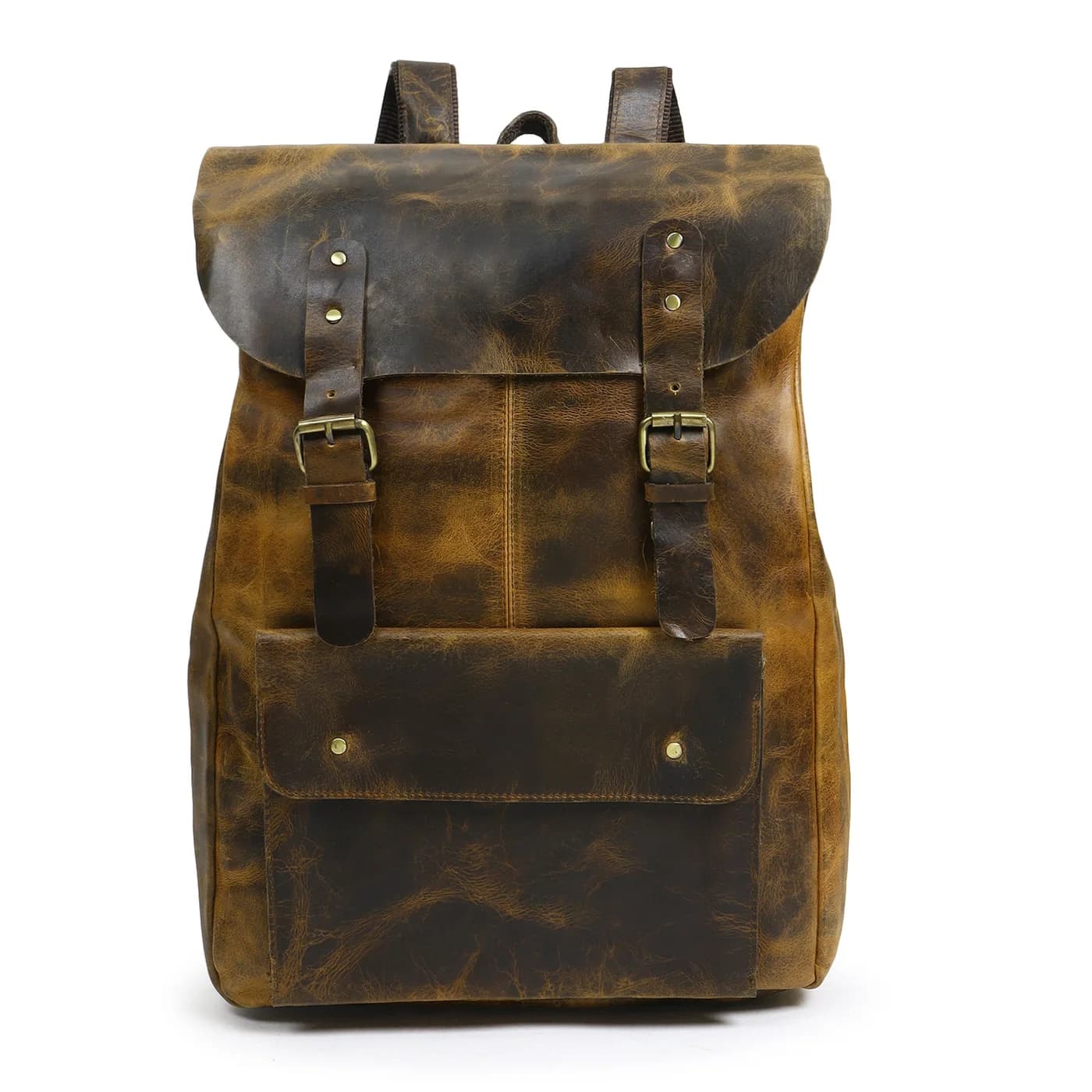
- Months 2 – 6 (The Golden Transition): Ambient sunlight and handling turn the pale surface into a rich honey-amber gold. Corners of wallets and handles of duffels begin developing a distinct glassy sheen. The hide loses its initial rigidity and molds to your contours.
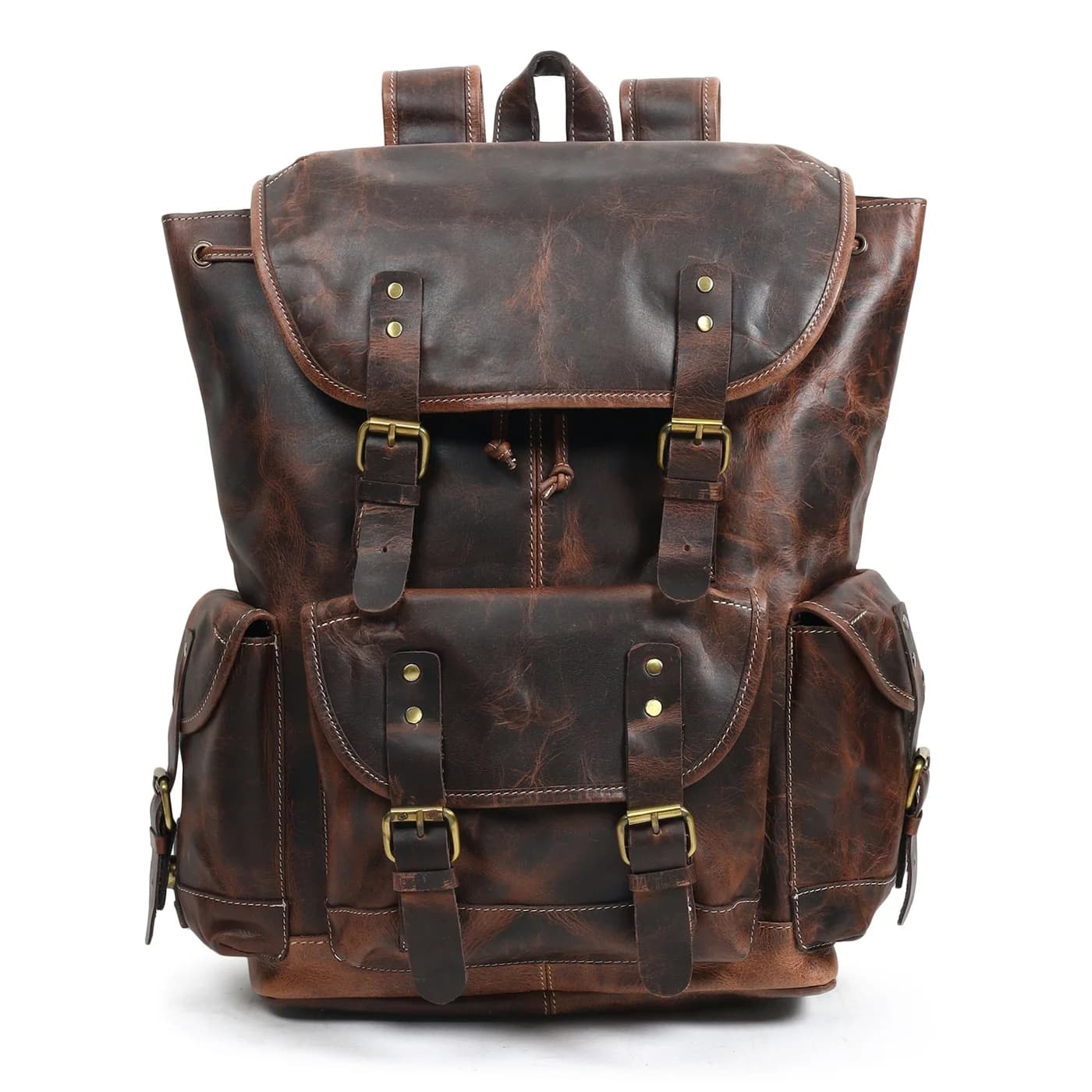
- Year 1 – 3 (The Heirloom Identity): The leather is now deeply caramelized. Dark cognac and espresso undertones emerge in areas of frequent friction, while protected crevices retain warm golden hues. The surface has developed a self-protecting barrier of burnished lipids.
- Decade 1 and Beyond (The Museum Grade): The piece has achieved a museum-quality character that money cannot buy off a shelf. It is buttery soft yet structurally indestructible, displaying a visual chronicle of your life's adventures.
Frequently Asked Questions & Expert Guidance
Q: Can I artificially accelerate the patina on my leather jacket or bag?
A: Gentle sunbathing (placing your raw leather item near a window with indirect sunlight for a few afternoons) safely accelerates tannin oxidation. However, never bake leather in high ovens or apply harsh oils, which ruin fiber tensile strength and cause blotchy stains.
Q: Does black leather develop a patina?
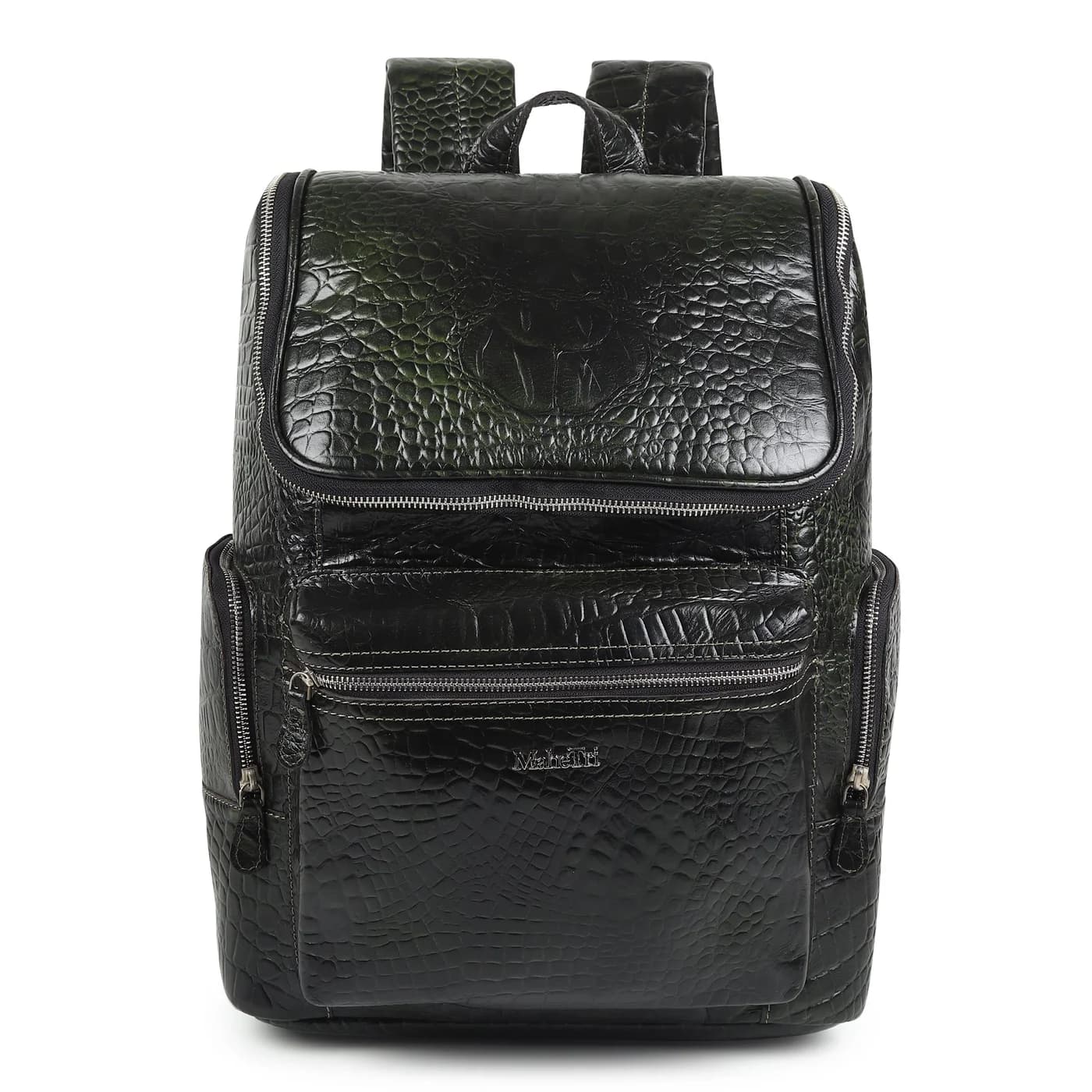
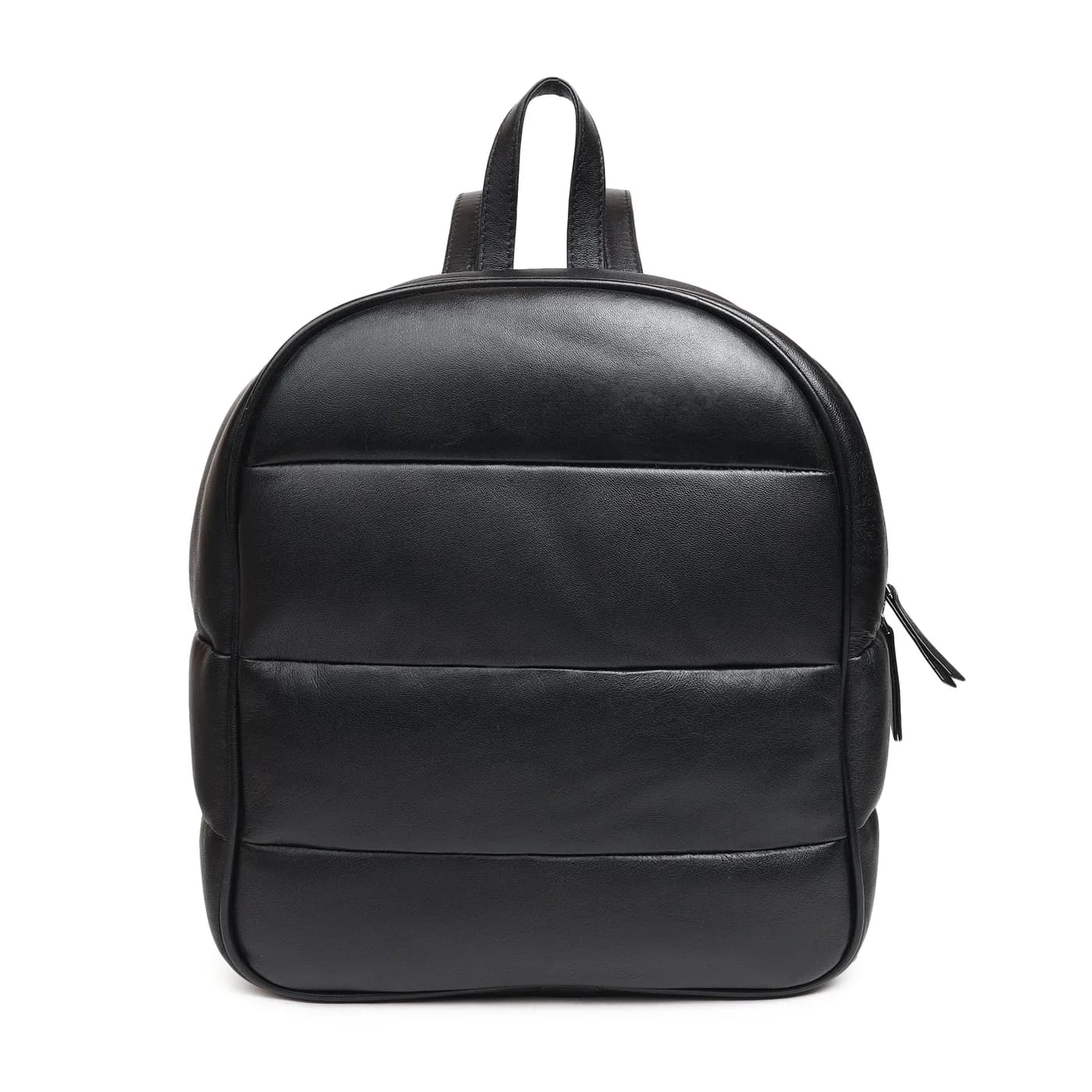
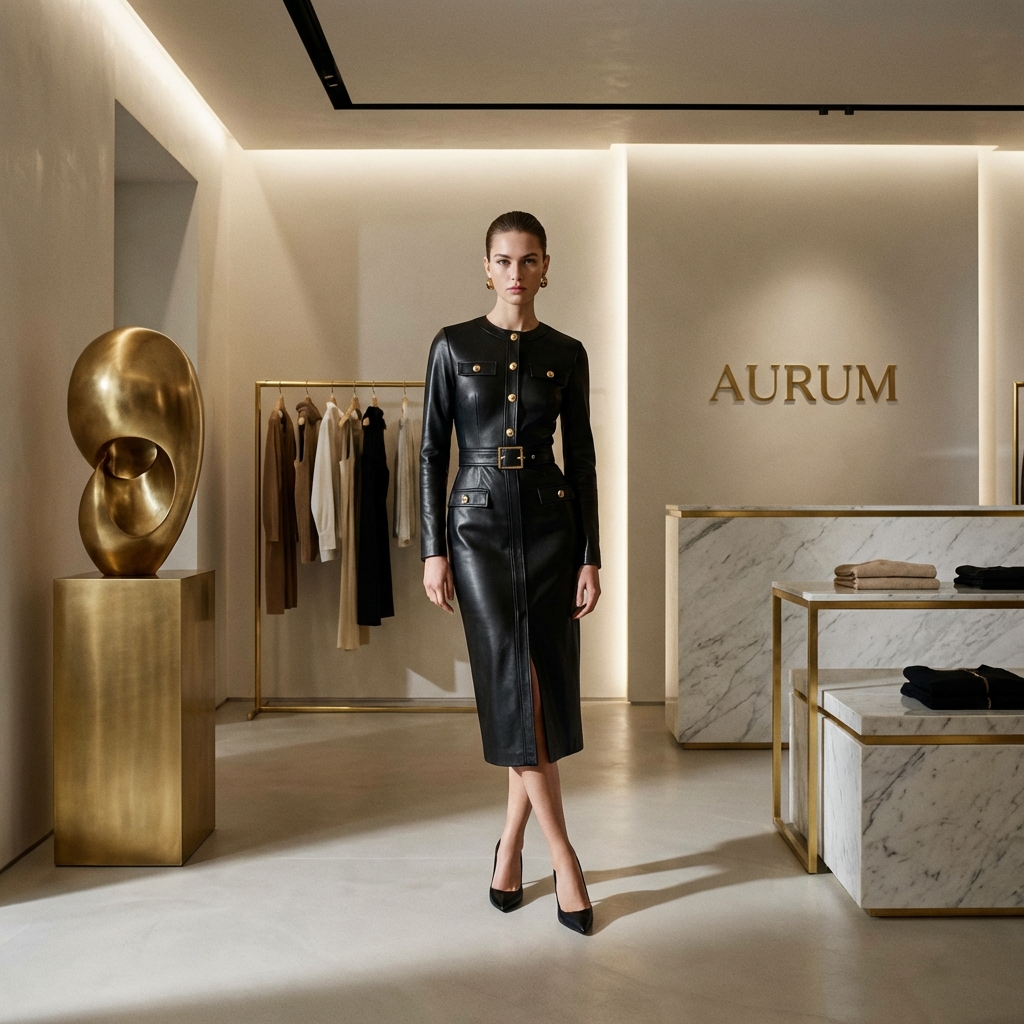
A: Yes, though in a different manner than tan leather. Full-grain black leather develops a deep, liquid-like mirror sheen on high-contact zones, while tea-core black leathers slowly reveal the natural warm brown hide beneath the black dye at high-wear edges.
Q: Will conditioning remove my leather's hard-earned patina?
A: No. Proper conditioning with natural beeswax and lanolin nourishes the patina, enriching the contrast between burnished high-points and softer grain recesses without washing out the color.
Q: Why does synthetic faux leather or PU never patina?
A: Synthetic leathers are made from petroleum-based plastics (polyurethane or PVC) coated over polyester mesh. They contain no natural cellular fibers or organic tannins to absorb lipids or react with sunlight. Plastic simply scratches, degrades, and peels.
Q: Are water spots on fresh vegetable-tanned leather permanent?
A: Early water spots may temporarily darken the virgin hide. As the entire piece ages and oxidizes over the first few months, these initial water spots blend seamlessly into the deeper caramel background, becoming indistinguishable.
Q: What is 'Tea-Core' leather and why is it prized by collectors?
A: Tea-core is a traditional vegetable-tanning method where the interior core of the hide remains a warm brown 'tea' shade, while only the top surface is dyed black or dark brown. Over years of abrasion, the black surface wears away, revealing the warm brown core for stunning vintage contrast.
Q: How does patina affect the resale value of luxury leather goods?
A: Unlike watches or cars where wear reduces value, authentic full-grain heritage leather with an even, well-maintained patina often commands a premium over brand-new pieces, as connoisseurs prize the decades of character and break-in already achieved.
Explore Handcrafted Leather Outerwear & Accessories
Every garment featured across our journal is meticulously hand-tailored from full-grain hides. Discover bespoke options, custom sizing, and heirloom leather goods crafted in our design studio.
Follow on Google
Add the IndiFash Journal to your preferred sources on Google News for curated updates.
IndiFash Heritage Team
Verified Leather Specialist
Sharing technical insights on leather fashion, care, bespoke tailoring, and lifestyle. Dedicated to quality craftsmanship and timeless style.