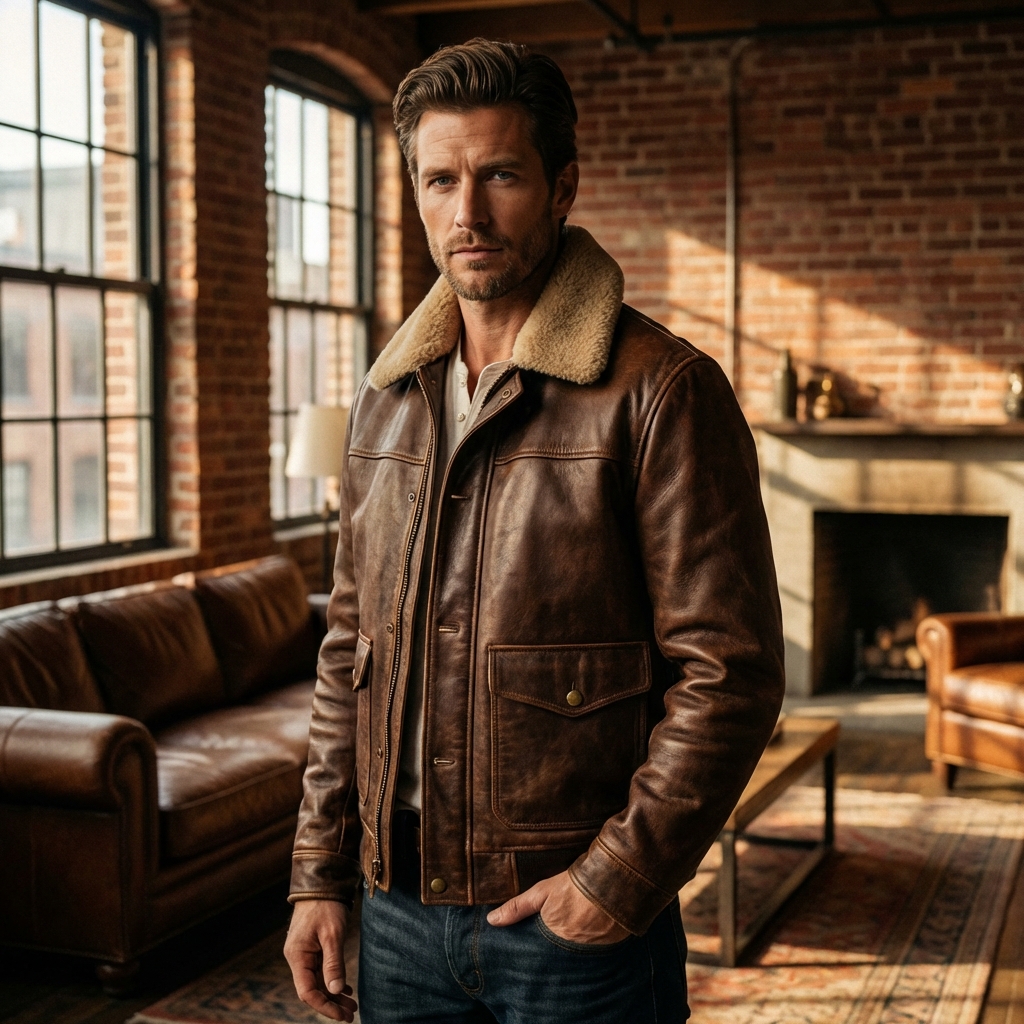
How to Spot Fake Leather: The Definitive Authenticity Guide
How to Spot Fake Leather: The Definitive Authenticity Guide
Modern chemical manufacturing has advanced to the point where polyurethane (PU), polyvinyl chloride (PVC), and bonded leather scraps can simulate the surface grain of genuine leather on a phone screen. However, in your hands, the laws of biology and material science never lie.
Whether you are shopping for a luxury leather jacket, an executive briefcase, or handcrafted boots, knowing how to verify authentic full-grain hide protects your investment. In this masterclass, our master tanners reveal the six infallible physical and sensory tests to distinguish real leather from petroleum-based imitations.
1. The Six Infallible Authenticity Tests
1. The Olfactory Test (The Smell of Tannins)
Real leather possesses an unmistakably rich, earthy, and warm organic aroma derived from natural tree barks and animal proteins. Synthetic leather emits an acrid chemical, vinyl, or petroleum odor reminiscent of a new shower curtain or plastic packaging. If an item smells faintly of toxic solvents or has zero scent whatsoever, it is synthetic.
2. The Tactile Thermal Test (Touch & Heat Transfer)
Place the palm of your hand flat against the surface for five seconds. Genuine leather is a biological insulator; it warms rapidly to your body heat and feels soft, yielding, and subtly textured. Synthetic faux leather feels cold, glassy, and slightly clammy or rubbery, offering zero warmth transfer.
3. The Water Droplet Hydrophilic Test
Place a tiny single droplet of clean water onto an unexposed patch of the hide. Because full-grain leather possesses open, breathable epidermal pores, it will absorb the moisture droplet within 10 to 30 seconds, darkening slightly as water enters the fiber matrix. Synthetic polyurethane is an impenetrable plastic sheet; the droplet will pool and bead indefinitely without any absorption.
4. The Thumb Compression Wrinkle Test
Press your thumb firmly into the center of the leather panel and drag it slightly. Genuine leather wrinkles under tension with organic, irregular micro-creases—just like human skin—and recovers elastically when pressure is released. Synthetic plastic leather simply depresses like a rigid foam disc, maintaining its stamped pattern without forming natural tension wrinkles.
5. The Raw Edge Cross-Section Inspection
Examine an unfinished seam, zipper edge, or strap cross-section. Real full-grain leather reveals dense, fibrous collagen strands that fray slightly like rough suede. Fake leather features a perfectly flat, razor-clean cut revealing a woven white fabric or mesh backing beneath a thin vinyl layer.
6. The Pore Pattern Examination
Inspect the surface under a magnifying lens. Nature never repeats itself: genuine full-grain hides exhibit random, organic pore distributions, subtle neck grain striations, and minor healed insect bites. Faux leather features a mathematically repeating stamped roller pattern with identical pebble shapes spaced at uniform millimeter intervals.
Zero Synthetics. 100% Certified Full-Grain.
Every IndiFash creation is accompanied by our verified provenance certificate. Bench-crafted exclusively from premium unbuffed full-grain steerhide, lambskin, and calfskin.
2. Real vs. Synthetic vs. Bonded Comparison Matrix
| Testing Criterion | Full-Grain Leather | Bonded Leather | Faux Leather (PU / PVC) |
|---|---|---|---|
| Material Composition | 100% Intact Animal Hide | Shredded leather dust + glue + vinyl | Petroleum polymers on fabric mesh |
| Durability Lifespan | 30 - 50+ Years | 1 - 2 Years (Peels quickly) | 2 - 3 Years (Cracks and splits) |
| Breathability | High (Organic micropores) | Low (Synthetic binder seals pores) | Zero (Traps body heat & sweat) |
| Environmental Impact | Biodegradable agricultural byproduct | High chemical adhesive toxicity | Non-biodegradable microplastic polluter |
Frequently Asked Questions & Expert Guidance
Q: What is vegan leather actually made of?
A: Over 90% of commercial 'vegan leather' is simply polyurethane (PU) or polyvinyl chloride (PVC) plastic coated over a polyester fabric backing. While marketed as eco-friendly, synthetic leathers are non-biodegradable petroleum derivatives that shed microplastics and degrade rapidly.
Q: Does the fire/flame test really work on leather?
A: Yes. Real leather chars slightly and smells of burnt hair due to its protein structure, but will not catch fire easily. Fake plastic leather melts instantly, catches fire, drips chemical liquid, and smells of toxic burning plastic. (We do not recommend testing finished garments with open flame).
Q: What does bonded leather mean?
A: Bonded leather is the particle board of the leather world. Tanneries take leftover leather shavings and dust, mix them with polyurethane resins and adhesives, and roll the paste onto a paper or fiber backing. It contains as little as 10% actual leather fibers and peels aggressively within months.
Q: Can synthetic faux leather be repaired if it starts peeling?
A: No. Once the synthetic polyurethane film separates from the fabric backing, the bond is permanently compromised. Liquid vinyl patch kits provide only temporary, unsightly cosmetic coverage that breaks down with further flexing.
Q: Why do some real leathers have a uniform, plastic-like surface?
A: Low-grade corrected leathers have their natural surface sanded off and receive a heavy layer of acrylic paint or plastic resin to mask surface defects. While technically genuine leather, corrected hides behave more like synthetic vinyl.
Q: How does real full-grain leather smell compared to fake leather?
A: Authentic full-grain leather smells earthy, rich, and woodsy, reflecting the tree barks and natural oils used during curing. Fake leather smells chemically sharp, plasticky, or like solvent adhesives.
Q: What is the best way to verify leather authenticity when buying online?
A: Look for explicit descriptions stating '100% Full-Grain Vegetable-Tanned Leather'. Avoid generic tags like 'Genuine Leather', 'PU Leather', or 'Faux Leather'. Reputable makers always disclose the tannery provenance, hide weight, and hardware specifications.
Explore Handcrafted Leather Outerwear & Accessories
Every garment featured across our journal is meticulously hand-tailored from full-grain hides. Discover bespoke options, custom sizing, and heirloom leather goods crafted in our design studio.
Follow on Google
Add the IndiFash Journal to your preferred sources on Google News for curated updates.
IndiFash Authentication Team
Verified Leather Specialist
Sharing technical insights on leather fashion, care, bespoke tailoring, and lifestyle. Dedicated to quality craftsmanship and timeless style.