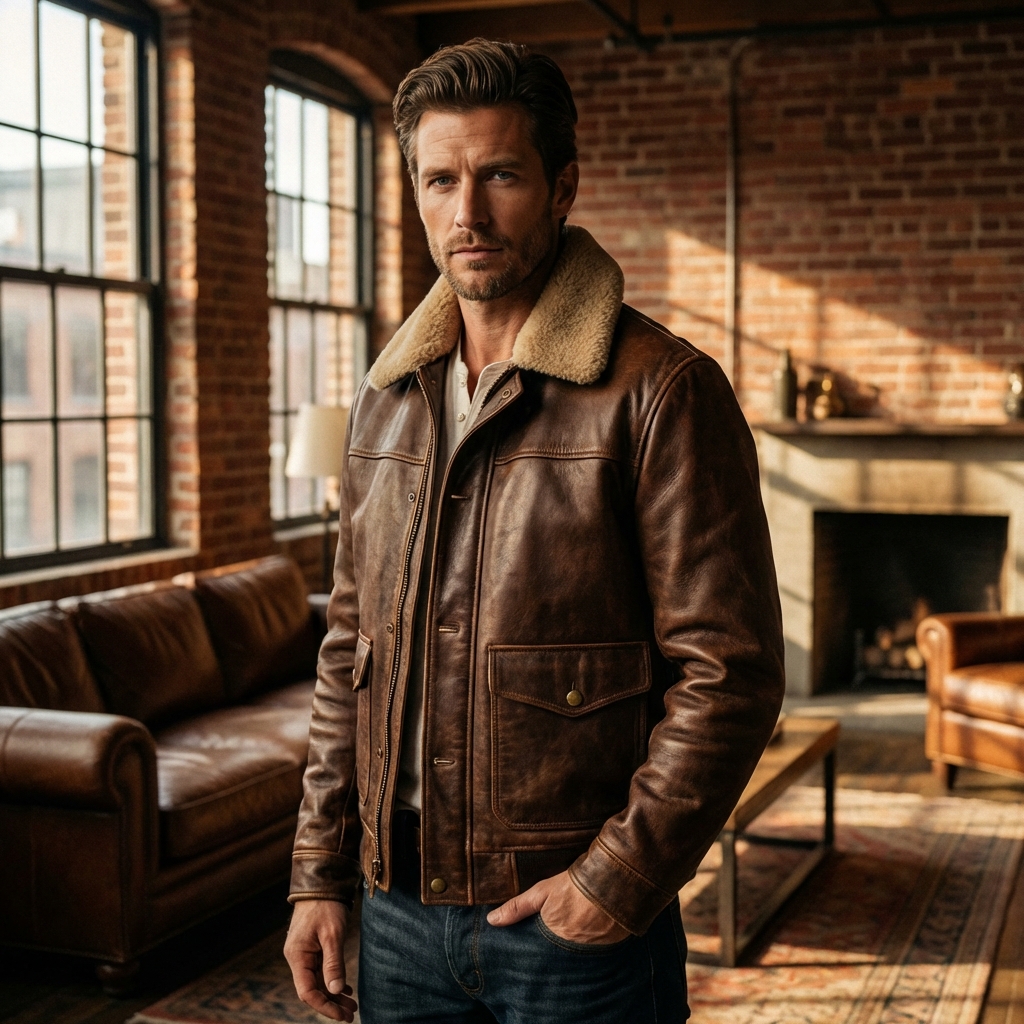
The Sustainability Myth: The Truth About Vegan Leather
The Sustainability Myth: The Truth About Vegan Leather
'Vegan leather' is one of the most successful greenwashing campaigns in fashion history. Under the guise of animal welfare, fast-fashion conglomerates rebranded cheap, petroleum-derived plastic as an ethical luxury.
In this scientific audit, our sustainability analysts examine the life-cycle analysis (LCA), microplastic shedding, and longevity differentials between synthetic plastics and certified full-grain hides.
1. What is 'Vegan Leather' Actually Made Of?
Over 90% of commercial vegan leather is composed of polyurethane (PU) or polyvinyl chloride (PVC) synthesized from fossil fuels. PVC contains toxic phthalates and heavy metals, requiring centuries to break down while releasing carcinogenic dioxins during disposal.
2. The Longevity Paradox: Fast Plastic vs. Heirloom Leather
The most sustainable garment is the one you already own. A synthetic PU jacket degrades and peels within 24 months, destined for a landfill. An authentic full-grain leather jacket lasts 30 to 50 years, replacing 15 to 25 synthetic fast-fashion jackets over its lifespan.
Frequently Asked Questions & Expert Guidance
Q: Does real leather biodegrade?
A: Yes. Authentic vegetable-tanned full-grain leather is composed of natural organic proteins and plant tannins, biodegrading in soil within 25 to 50 years. Plastic faux leather persists for over 500 years as microplastics.
Q: What about plant-based leathers like cactus, pineapple, or mushroom leather?
A: While promising, almost all current commercial plant leathers (like Piñatex or Desserto) mix 30% to 50% plant fibers with polyurethane or synthetic resins to achieve structural durability.
Q: Why is real leather considered circular?
A: Real leather utilizes hides from the food industry that would otherwise decompose and emit methane in landfills. Turning these hides into 40-year heirloom goods captures carbon in durable consumer goods.
Q: Does vegan leather shed microplastics?
A: Yes. As PU and PVC jackets flex and abrade, they shed microscopic plastic polymer fibers that enter waterways and urban air currents.
Q: What certifications ensure ethical leather sourcing?
A: The Leather Working Group (LWG) gold and silver certifications verify that tanneries maintain 100% wastewater recycling, non-toxic chemical handling, and traceable hide sourcing.
Q: Can synthetic vegan leather be recycled?
A: No. Because PU and PVC are bonded to polyester mesh backing using chemical adhesives, they cannot be mechanically or chemically recycled, ending in municipal incinerators or landfills.
Q: Which is more ethical: buying one real leather jacket or five plastic jackets?
A: Investing in a single full-grain heirloom piece reduces consumer waste, avoids petrochemical extraction, and supports traditional artisan craftsmanship.
Explore Handcrafted Leather Outerwear & Accessories
Every garment featured across our journal is meticulously hand-tailored from full-grain hides. Discover bespoke options, custom sizing, and heirloom leather goods crafted in our design studio.
Follow on Google
Add the IndiFash Journal to your preferred sources on Google News for curated updates.
IndiFash Sustainability Board
Verified Leather Specialist
Sharing technical insights on leather fashion, care, bespoke tailoring, and lifestyle. Dedicated to quality craftsmanship and timeless style.